
1. What chromium grade should I select—18%, 22%, or 28%?
Engineers want clarity on impact vs abrasion trade-off. The wrong grade leads to either premature wear or cracking.
2. What hardness range can you guarantee, and how consistent is it across batches?
Consistency matters more than peak hardness. Variation = unpredictable wear life.
3. How do your castings perform under both abrasion and impact conditions?
Most applications are mixed—engineers want to know real-world behavior, not just lab values.
4. What is the expected service life compared to our current supplier?
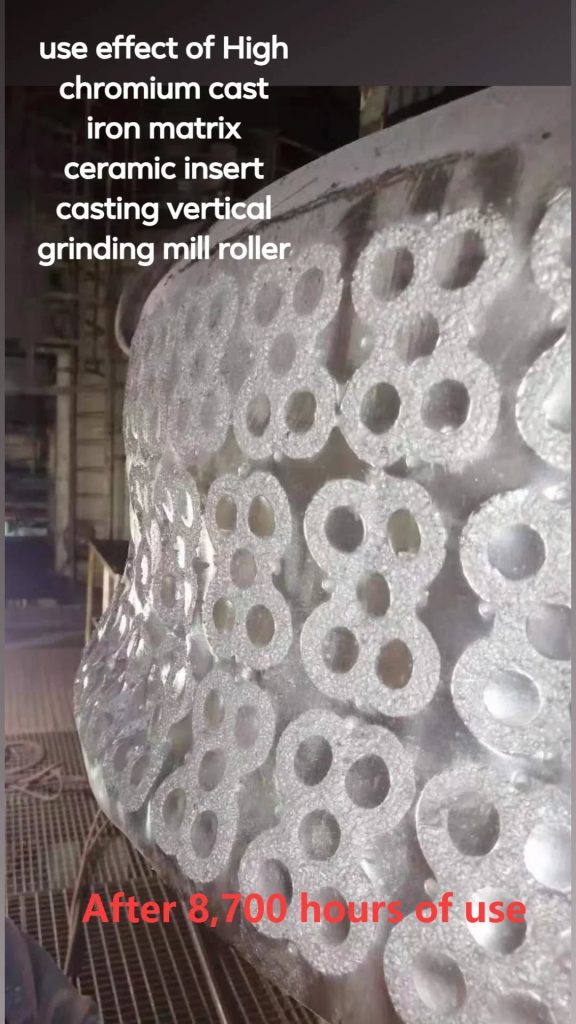
They are benchmarking:
- Life in hours / tons
- Shutdown frequency
- Replacement cycle
5. Can you customize composition or design based on our application?
Serious buyers expect:
- Tailored metallurgy
- Application-specific recommendations
6. What heat treatment process do you follow?
They’re indirectly checking:
👉 Microstructure quality
👉 Risk of brittleness or failure
7. Do you have any case studies or performance data from cement plants?
They want proof like:
- “X% life improvement”
- “Reduced wear rate in clinker crusher”
8. How do you ensure quality control and inspection?
Typical expectations:
- Chemical analysis
- Hardness testing
- NDT (UT/DPI if needed)
9. What are the common failure modes, and how do you address them?
Engineers want honesty about:
- Cracking
- Spalling
- Uneven wear
👉 This builds trust more than “our product is best” claims.
10. What is your lead time and ability to supply consistently?
Procurement concern:
- Can you deliver on time?
- Can you handle repeat orders without variation?
💡 Pro Tip (Important for YOU)
If your website or sales pitch answers these clearly and technically, you immediately:
👉 Stand out from 90% of foundries
👉 Build trust before first contact
👉 Increase RFQ conversion rate